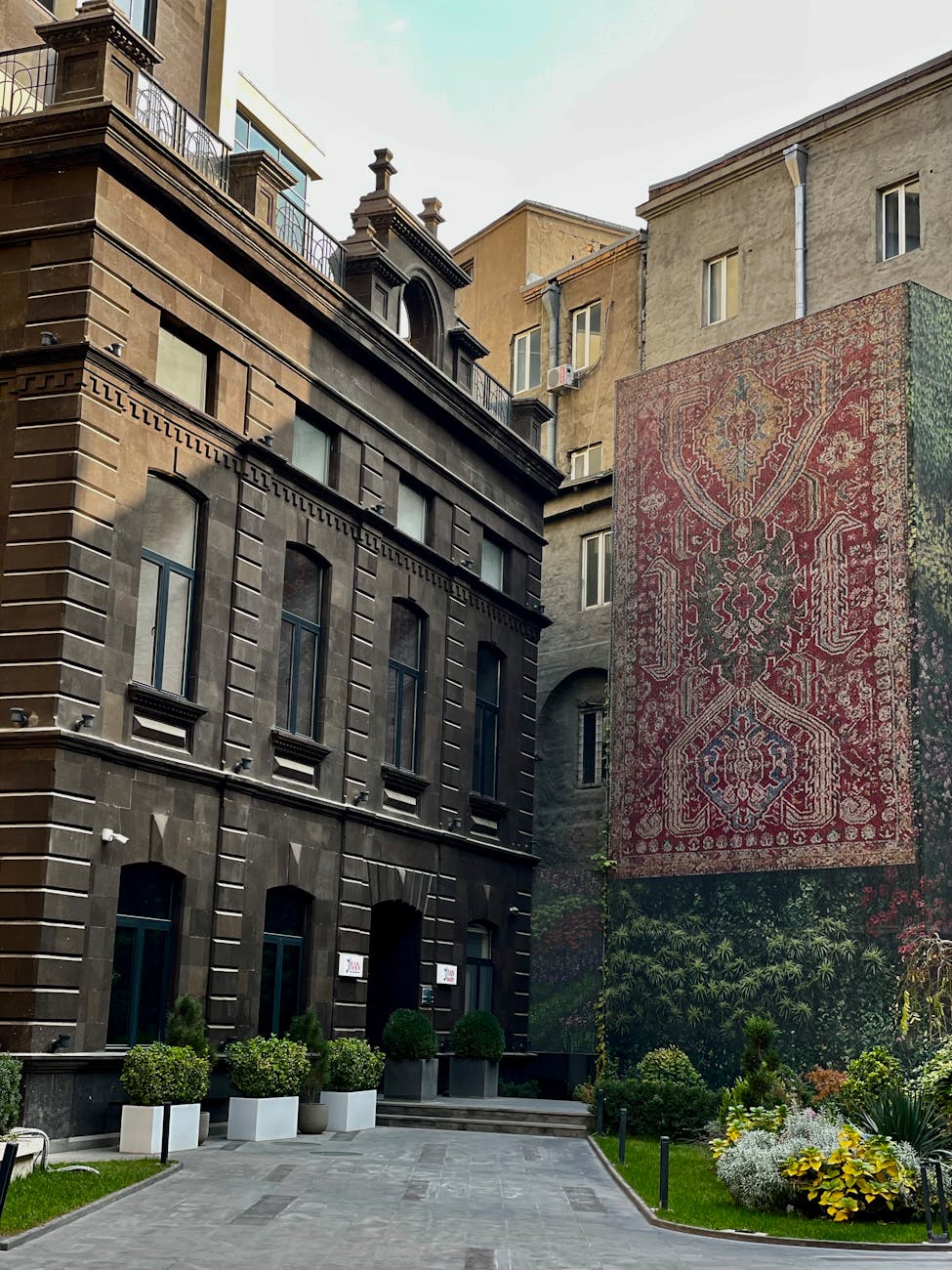
I still remember the first time I found a book with an Armenian character in my local library. I was maybe twelve, scanning the shelves like I always did, not really expecting anything as I flipped through pages of books that looked interesting. Then it happened. I saw that name—unmistakably Armenian—and my heart actually jumped. It was such a small thing, but for a twelve-year-old teetering between cultures, it felt huge.
That’s the thing about representation that people don’t always get. It’s not about quotas or checking boxes. It’s about that jolt of recognition, that sudden feeling of “Oh, someone like me exists in stories too.”
Growing up Armenian-American meant constantly translating between worlds. At home, we had our traditions, our foods, our way of seeing things. At school, I was just another American kid. Books were mostly about other American kids—kids whose grandparents didn’t have accents, whose families didn’t gather for elaborate Sunday dinners that lasted four hours.
When I became a teacher in an inner-city neighborhood, I watched my students experience that same hunger for recognition. Some students would light up when we read about characters with immigrant parents. Others, who were always getting in trouble, sat completely still during a story about a kid struggling with anger. These weren’t just reading lessons—they were moments of connection.
But here’s what surprised me: the kids were just as fascinated by stories that were nothing like their own lives. The same student who loved seeing her experience reflected was completely absorbed by books about kids in rural America, or historical fiction set in ancient Egypt. Good stories make us curious about difference, not afraid of it.
That’s why I write the way I do now. My fantasy novels aren’t set in modern-day Armenia, but they’re full of elements that feel familiar to me—the importance of family stories passed down through generations, the weight of tradition, the complexity of belonging to something larger than yourself. These aren’t add-ons to make my books more “diverse.” They’re part of who I am, which means they’re part of how I see the world. And they’re woven into everything I create.
I think that’s what authentic representation actually looks like. Not characters whose identity feels like it was added with a checklist, but characters whose background genuinely shapes how they move through their story.
The world feels pretty divided right now. But I’ve seen what happens when people encounter stories that stretch their understanding—not in a preachy way, but in that quiet, powerful way that good stories work. One book at a time, one reader at a time, we become a little more curious about each other instead of a little more afraid.

 lusinetorossian.com