When I first started to write my novel, Sea Weaver, and created entire worlds beneath the seas, I didn’t consider whether it was possible for forests and cities to exist within the ocean depths. Hey, it’s fantasy, right? So out of curiosity, I researched this concept to see if it’s at all probable for forests and civilizations to survive and thrive within briny waters. Here’s what I found in the real world…
Underwater Forests
The Sunken Forest of Lake Kaindy, Kazakhstan
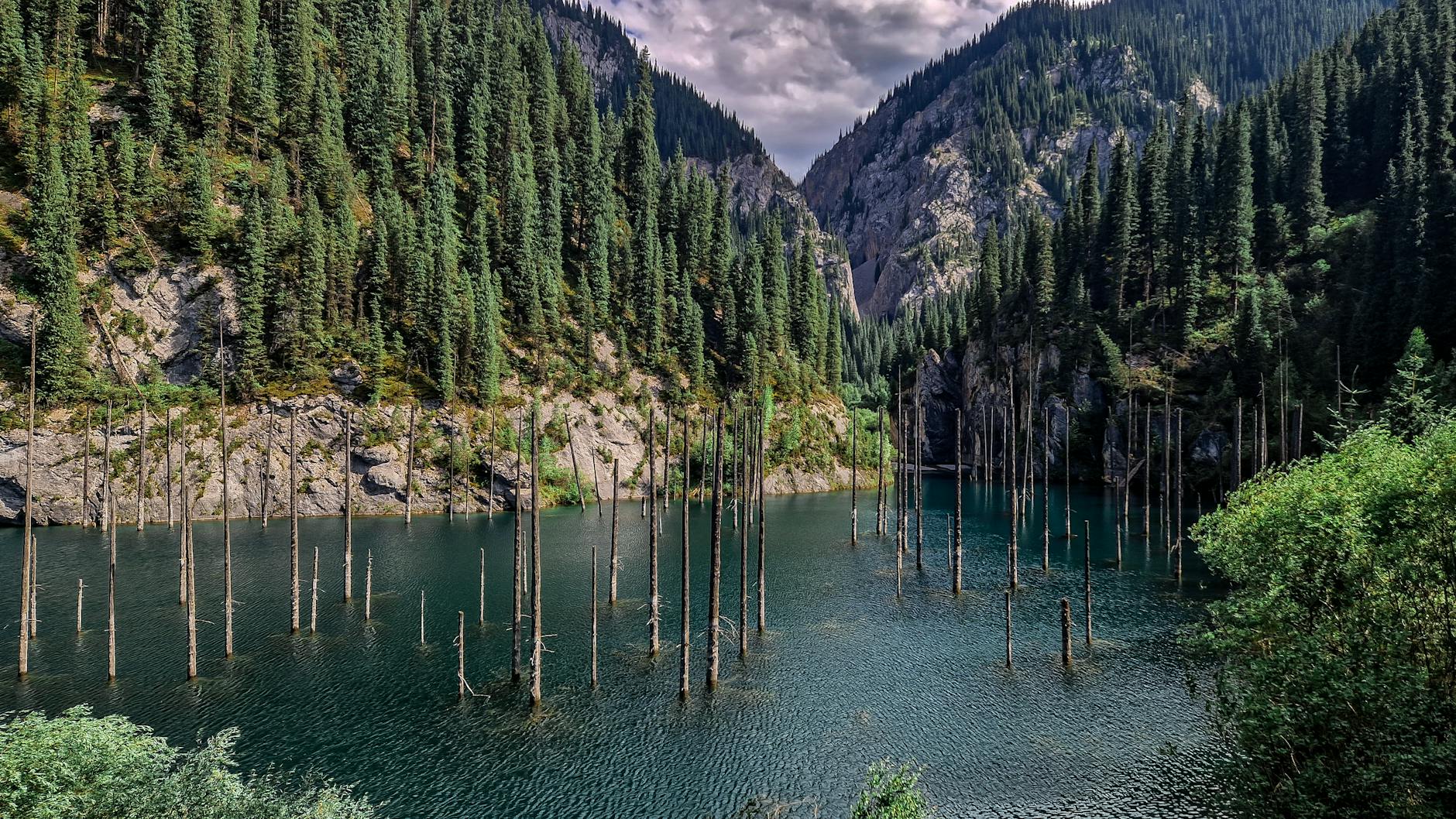
The Sunken Forest of Lake Kaindy, Kazakhstan: This eerie underwater forest was created when an earthquake caused a landslide, forming a natural dam. The resulting lake submerged a spruce forest, preserving the trees in the cold water. The stripped trunks remain standing, creating an otherworldly underwater landscape.
Mangrove Forests
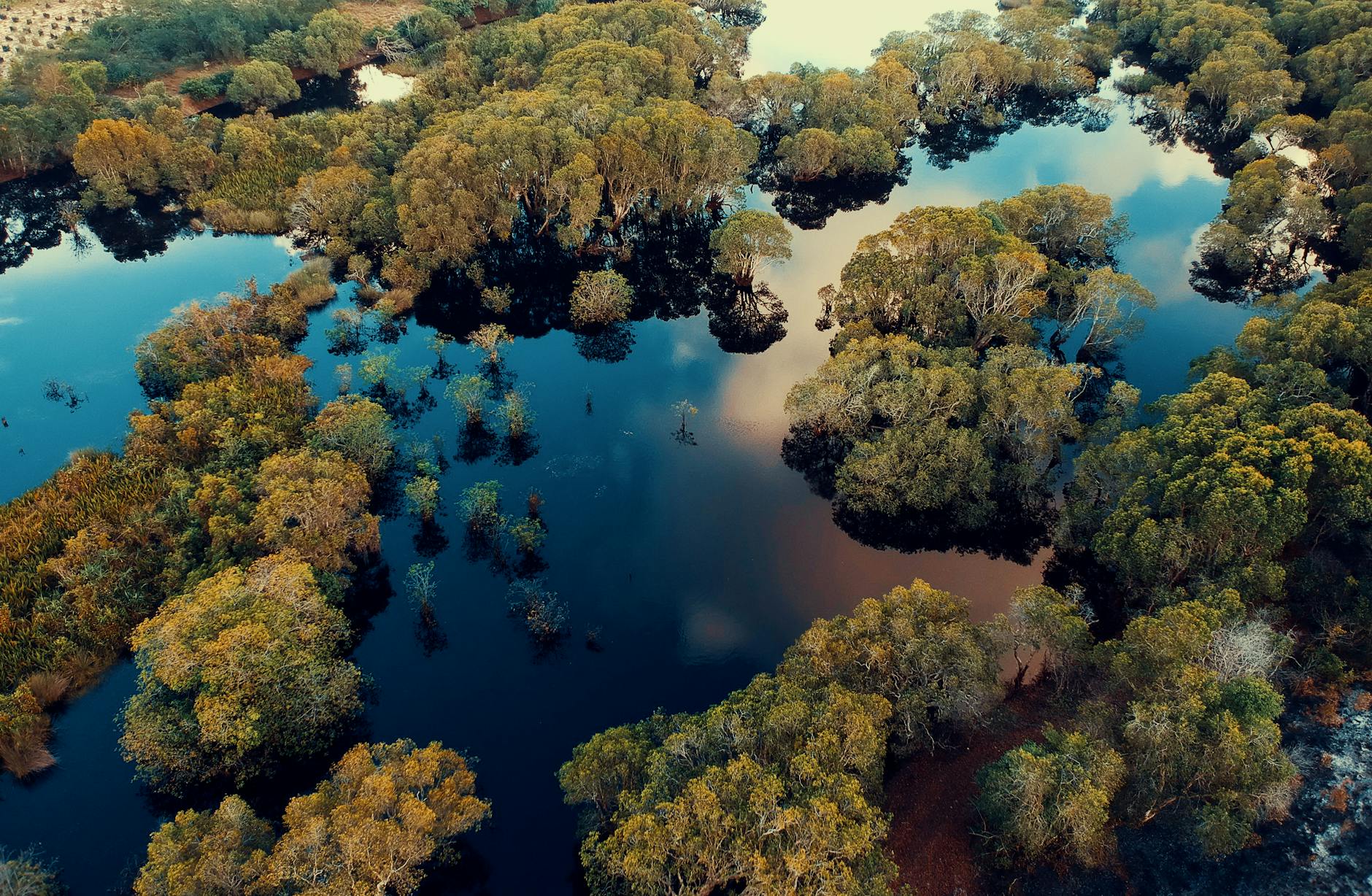
Mangrove Forests: While not fully submerged, mangrove forests thrive in coastal areas where freshwater meets the sea. These unique ecosystems are adapted to saltwater and are important habitats for marine life.
The Underwater Forest of Mobile Bay, Alabama

The Underwater Forest of Mobile Bay, Alabama: Discovered in 2004, this ancient cypress forest was buried under sediment for thousands of years before being uncovered by Hurricane Ivan. The preserved trees are approximately 50,000 to 80,000 years old.
Air Caverns
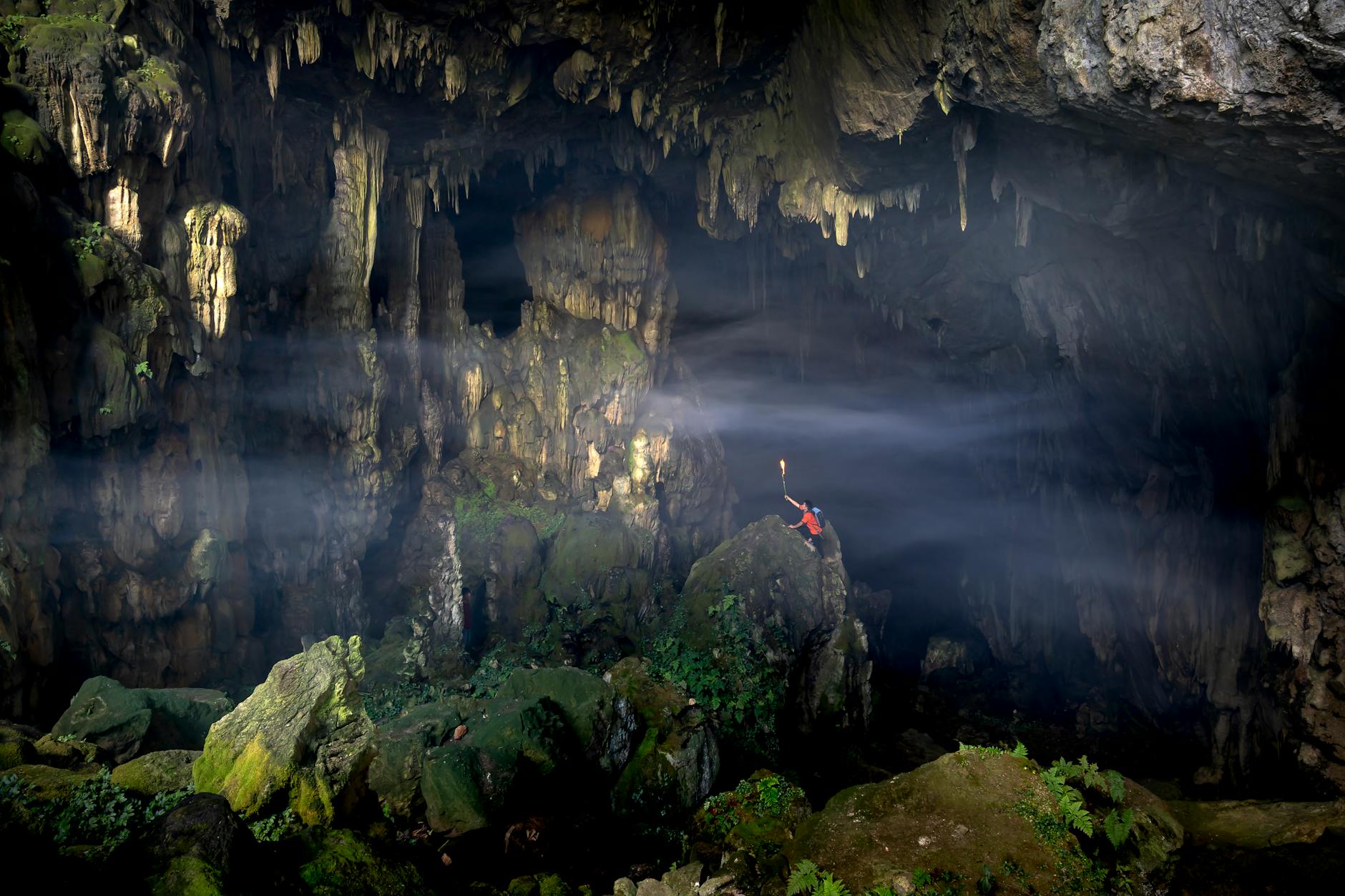
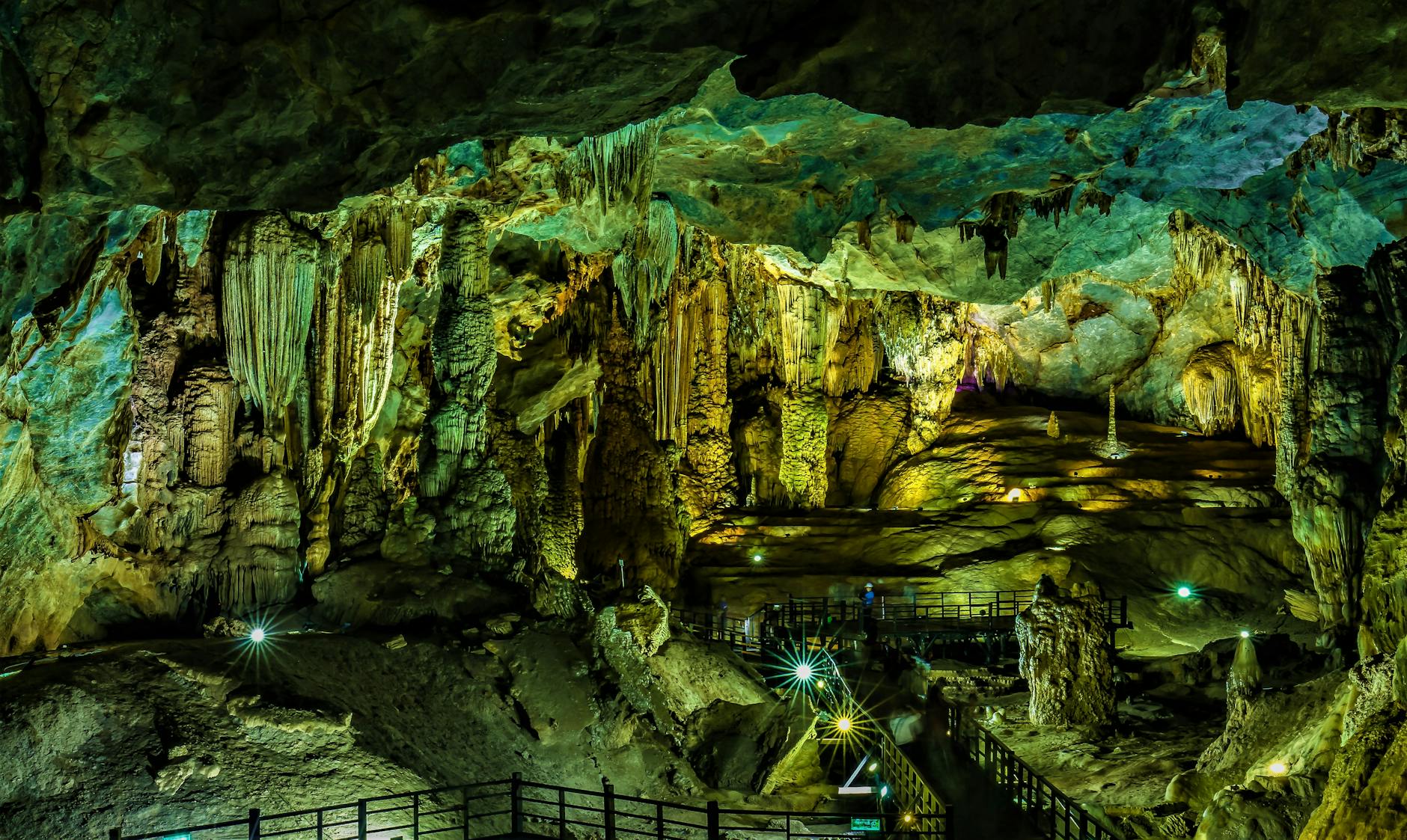
Son Doong Cave, Vietnam: The world’s largest known cave system contains its own ecosystem, and includes a jungle and a river. Some chambers are so large they have their own weather systems, including clouds.
Hang Son Doong, Vietnam: Another part of the Son Doong cave system, this massive cavern features a collapsed roof that allows sunlight to seep through, creating a lush jungle growing within the cave.
Sarawak Chamber, Malaysia: Located in Gunung Mulu National Park, this is the world’s largest known underground chamber. It’s so vast that it could accommodate 40 commercial airplanes.
Krubera Cave, Abkhazia, Georgia: While not exactly an air cavern, this is the deepest known cave on Earth, reaching a depth of 2,197 meters (7,208 feet). Its vast network of passages and chambers creates a unique underground world.
My novel Sea Weaver straddles the line between fantasy and reality. By incorporating elements inspired by these natural phenomena, I’ve aimed to create a world that feels both magical and grounded in possibility.
These real-world examples of underwater forests and massive air-filled caverns show that nature often surpasses our imagination. They serve as a reminder that even in fantasy writing, authors draw inspiration from the wonders of our own planet to create rich, believable worlds that captivate readers.
 lusinetorossian.com